
The Ledger of Deportation


Germany’s Shame in Bamberg, Bavaria, and Beyond Bamberg’s Ankerzentrum: A City Within the City
Anker-zentren they call them reception centres. We, who have lived inside, call them human zoos. They present them as houses of asylum. For us, they stand as modern slave houses: places where life is reduced to files, numbers, and transactions. They resemble warehouses, but instead of goods, they contain human beings, moved day in and day out, distributed from one municipality to another like objects on a conveyor belt. These are cities with one way in-entered with fragile dreams and one way out, often marked by trauma, depression, or deportation.
The word “Anker” is not accidental. In German, it stands for Ankunft, kommunale Verteilung, Entscheidung, Rückführung (arrival, municipal distribution, decision, and return). The entire asylum process is compressed into this single acronym. The intention, at least officially, was to accelerate procedures, centralize bureaucracy, and control migration flows.
Ankerzentren were formally established in 2018, building on earlier “arrival centers” created after 2015 during the so-called refugee crisis. Bavaria led the way, setting up seven main centers in Bamberg, Deggendorf, Donauwörth, Manching/Ingolstadt, Regensburg, Schweinfurt, and Zirndorf each surrounded by multiple branches. Other states such as Saxony and Saarland adopted the model, and by 2021 Germany counted nine AnkER or equivalent facilities, with dozens of dependences spread across the country.
The official narrative is efficiency: faster decisions, fewer delays, all services under one roof. But the lived reality is different. For refugees, Ankerzentren mean long months in limbo, stuck in mass accommodation, cut off from society, and constantly under surveillance. Families live crowded together; privacy is scarce; psychological stress is constant. Instead of integration, isolation grows. Instead of safety, vulnerability deepens. For women, children, and trauma survivors, these centers can be especially dangerous. Reports describe violence, lack of medical and psychological care, and accelerated deportation processes that strip away the right to fair hearing.
Ankerzentren stand as symbols of a system that manages people as cases, not as human beings. They were established to “organize” migration, but for those inside, they embody exclusion. What is framed as order by the state is lived as captivity by refugees.
Among all Ankerzentren, Bamberg’s has become one of the most well-known and controversial. Established in 2015 as an arrival camp and converted into a full AnkER facility in 2018, it was once the largest in Bavaria, housing more than 1,400 refugees at its peak. Though numbers have since decreased, the camp remains a central site in the state’s asylum policy.
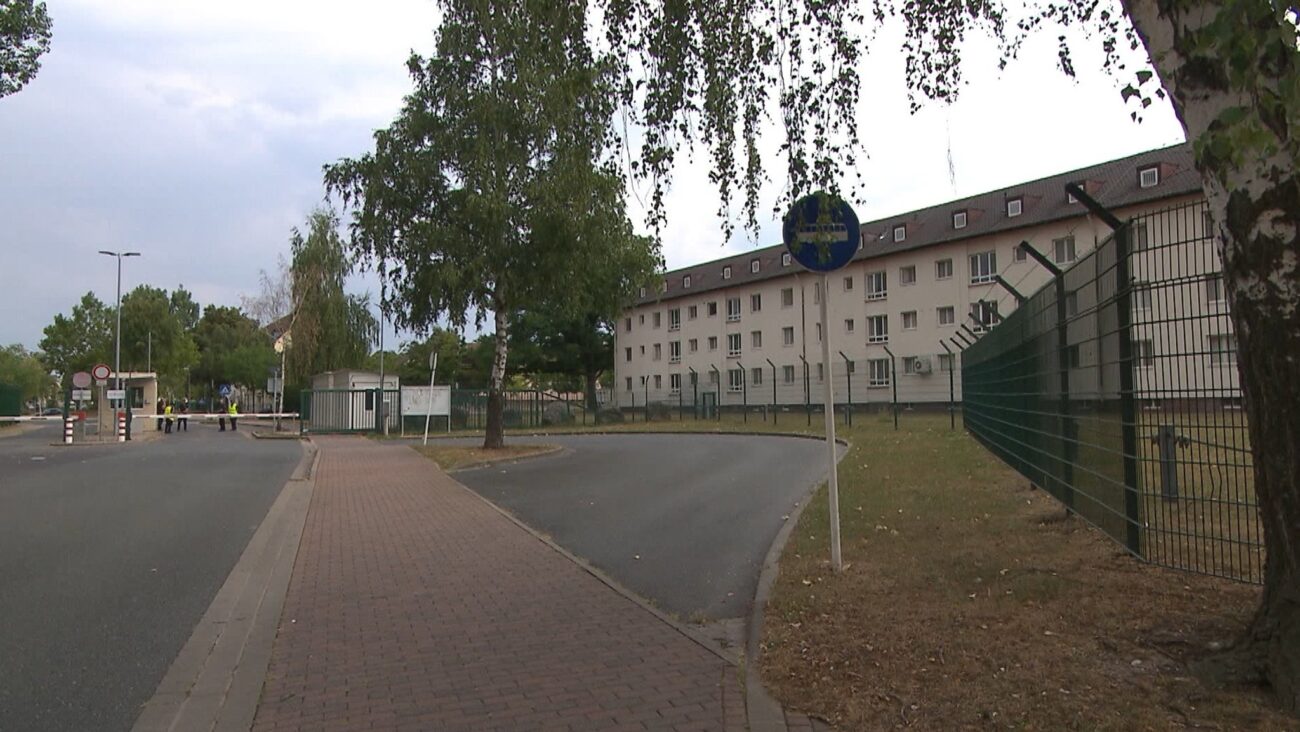
From the outside, it appears orderly: guarded gates, controlled entrances, administrative offices, dormitories, a cafeteria. But from the inside, it feels like another world. Refugees describe it as a city within the city, surrounded by walls, watched by security, with strict rules
controlling daily life. For many, Bamberg is not remembered as a place of protection but as a place of waiting without end.
Testimonies echo the same themes:
- Isolation: “We are kept apart from society. People pass by the gates, but we never meet. We live here, but we are not part of Bamberg.”
Prolonged uncertainty and detention-like conditions
- Refugees often wait extended periods under “residence obligations” (Bleibepflicht), unable to freely move beyond the facility or region. In practice, these facilities can resemble closed or semi-closed camps, with restrictions on entering and leaving, stringent check-ins, and limited freedom.
- Psychological Strain: “Every day is the same. You wake up, you wait, you eat, you sleep. After months, you begin to lose yourself. Depression grows like a shadow.”
- Uncertainty: “No one tells you how long you will stay. Some are here for weeks, others for years. Time becomes a punishment.” Fear of Deportation“Every knock on the door could mean the end. You sleep, but never in peace.”
- Risk of discrimination and marginalization: The model can reinforce stigmas: being housed in an “Anker” compound marks refugees as separate, outside normal societal spaces.
- Limited access to education, mental health support, meaningful work, or legal counsel is often the reality.
- Accelerated returns and lesser procedural protection: The central purpose of decision and return being on site places immense pressure on those seeking protection; faster rejections and deportation processes are more likely. For people from states considered “safe” or with low recognition rates, the model can lead to shorter review times and less room for appeal
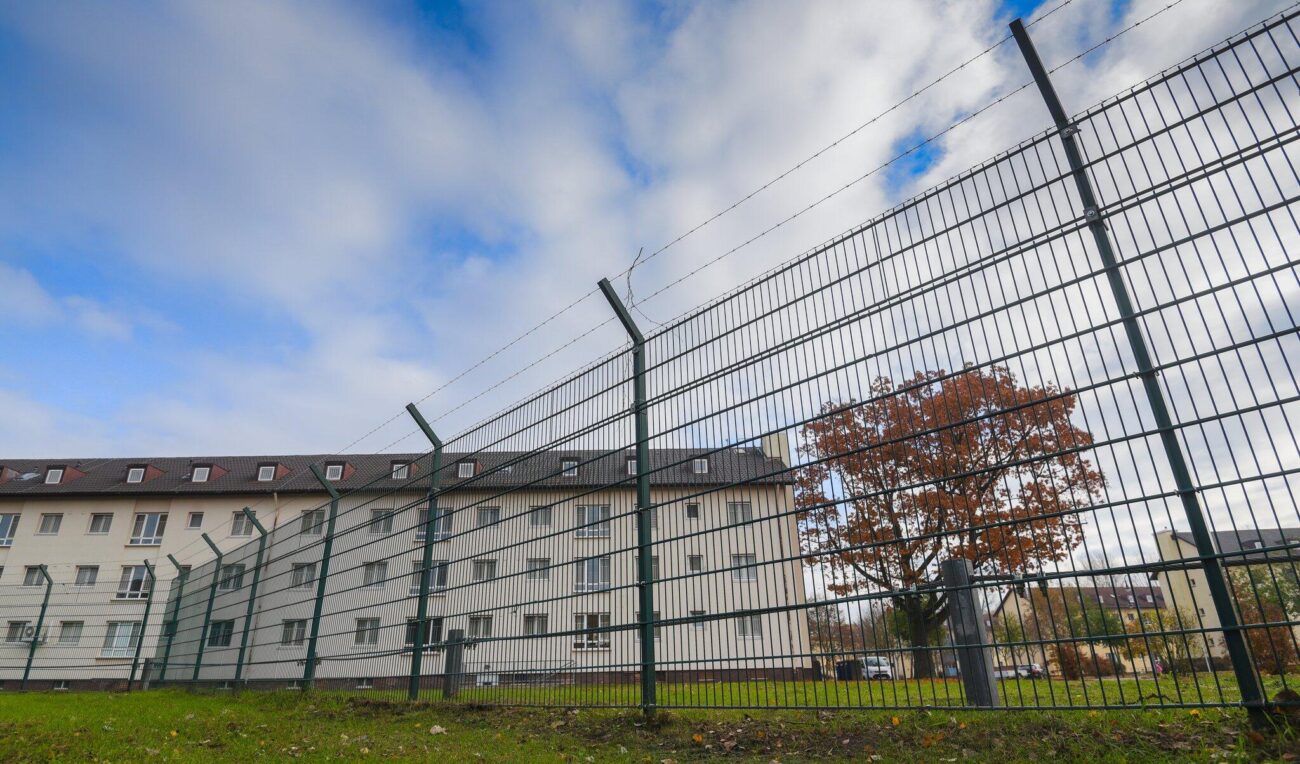
For families, the stress is multiplied. Children grow up behind fences, often missing out on early education and community life. Mothers speak of fear for their children’s safety and their own vulnerability in the crowded dormitories. For single men, the sense of stigma is heavy: outside, they are seen as “camp people”; inside, they are treated as cases awaiting a decision, not as human beings with futures.
While Bamberg is celebrated for its medieval old town, a UNESCO World Heritage site, its identity is also tied to the Ankerzentrum. For many locals, the camp is a distant reality visible yet ignored. For refugees, it defines their entire existence in Germany. This tension gives Bamberg a double face: a city of culture and beauty, and a city of silent suffering.
The Ankerzentrum was established to “streamline” asylum, but it has instead produced a system of containment and despair. It shows how Germany, in trying to manage migration, has created spaces that resemble neither true homes nor fair courts but something closer to holding pens for human lives.
Deportation by Charter: Cologne-Bonn as a Departure Hub
On 16 December 2020, a charter flight departed from Cologne-Bonn Airport. There were no tourists, no business passengers, and no commercial purpose. On board were
13 Guinean refugees, each handcuffed and each escorted by between 40 and 50 police officers.
The estimated cost of this single deportation flight ranged between €130,000 and €200,000. Public funds were used not for social services or integration, but for restraints, security operations, and forced removal.
This was not an isolated incident.
- 19 January 2021: 25 people deported to Guinea
- 15 March 2021: 24 people deported to Guinea
Cologne-Bonn Airport became a routine departure point for forced removals.
Throughout 2020, airports in North Rhine-Westphalia, particularly Düsseldorf and Cologne Bonn, conducted deportations to 16 different destinations. These flights often included officers from FRONTEX, whose presence provided institutional legitimacy to operations carried out under heavy police control and coercion.
Bavaria has played a significant role in Germany’s deportation infrastructure.
On 4 July 2018, a charter flight departed from Munich Airport to Kabul, Afghanistan. On board were 69 deportees, guarded by almost 134 police officers. The ratio was nearly two police officers per deported person.
Those deported were not criminals or combatants. They were asylum seekers returned to a country officially classified at the time as unsafe.
- Deportations to Nigeria: Children, Families, and Medical Neglect
Nigerians have been among the most affected by deportation practices in Germany.
- May 2023: Four Nigerian siblings aged 11 to 17 were deported after spending nearly ten years in Germany. They were removed from their schools and communities and sent to a country they barely knew.
- Late May to 4 July 2023: 80 Nigerians were deported, including children requiring urgent medical surgery. Families reported that medical documentation was submitted and ignored.
- 16 July 2024: 46 Nigerians were deported from Munich and transported through the cargo terminal of Murtala Muhammed International Airport in Lagos. There was no formal reception or support upon arrival.
- Early 2025: Civil society organizations documented 167 deportations to Nigeria carried out in four charter flights.
o 143 of those deported were from Germany
o Included were families and at least 20 children under the age of nine
o Witnesses reported sick individuals being forced onto planes, medical conditions disregarded, and coercive measures used against those who resisted
Unconfirmed but consistently reported accounts from refugee camps describe pregnant women arriving in Lagos with severe bleeding and children got heavily traumatised from being forcefully deported from Germany. These incidents are not acknowledged in official statements but are repeatedly recounted by residents of Ankerzentren.
Deportations to Ghana: Escorts and Temporary Documents
Ghanaians have also been subjected to heavily policed deportations.
In September 2019, 17 Ghanaians were deported from Germany, alongside deportees from the United Kingdom. The group consisted of men aged 21 to 60 and was escorted by almost 67 German police officers.
Some deportees carried valid passports. Others were issued temporary travel certificates solely for the purpose of deportation. These documents provided legal formality but no recognition of dignity or belonging.
They arrived in Accra without reintegration support and without institutional follow-up. The Ankerzentrum in Bamberg
The Ankerzentrum in Bamberg functions as a central holding facility within Bavaria’s asylum system.
In 2021, more than 1,100 people were confined in the centre. Residents faced: • Restrictions on movement and integration
- Constant surveillance
- Long-term uncertainty
During the COVID-19 pandemic, Ankerzentren became sites of heightened risk due to overcrowding, shared sanitation facilities, and lack of distancing measures. Despite this, refugees were publicly blamed for outbreaks, while structural conditions remained unchanged.
On 6 March 2024, a 26-year-old refugee jumped from a window in the Bamberg Ankerzentrum while resisting deportation. He survived but sustained serious injuries. The incident highlighted the psychological pressure associated with forced removal.
The most severe incident at the Bamberg Ankerzentrum occurred in Block 7 on the night of 11–12 December 2018.
According to witness accounts, the events unfolded as follows:
- Security guards intervened following a reported “disturbance of the night’s peace”
- A resident was allegedly beaten by guards, resulting in the loss of a tooth and visible bleeding
- Medical assistance was reportedly denied
Police were subsequently deployed.
Documented outcomes include:
- 11 people injured, including residents and police
- Approximately 100 police officers involved, including special forces • Use of pepper spray, batons, and physical force inside the building
- Witness testimony describing continued violence against handcuffed individuals
- A fire breaking out in the building, causing smoke exposure and panic among residents, including children
Following the incident, four refugees were arrested. A 23-year-old Eritrean man was later sentenced to prison. No comparable accountability was reported for security personnel or police actions.
Block 7 remains a reference point in discussions of police conduct, institutional violence, and accountability in refugee facilities.
Beyond official documentation, refugees and advocacy groups report recurring practices, including:
- Sedation prior to deportation flights
- Forced removals of pregnant women
- Suicide attempts during deportation raids
- Deportations carried out without valid passports
- Use of provisional documents issued solely to enable removal
These reports describe patterns rather than isolated incidents.
Deportation is frequently presented as administrative necessity or legal enforcement. The documented cases demonstrate a system characterized by coercion, psychological pressure, and high financial cost.
Voice Without Borders calls for:
- Transparency in deportation practices
- Independent monitoring of charter flights and detention centres
- Protection of children, families, and medically vulnerable individuals • An end to practices that undermine human dignity.