Museum
- Home
- Museum
Explore our photos
A visual journey through resilience. Explore our collection of photographs, paintings, poetry, and videos capturing the refugee experience—from the deserts of Libya to the centers of Europe, from art workshops to storytelling stages. Each image, a window. Each frame, a voice.
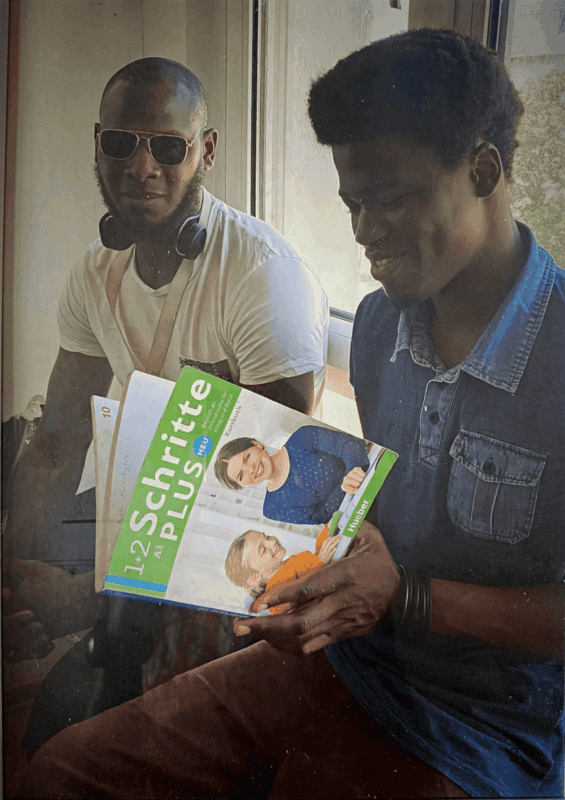
In a country that says, “Learn our language if you want to stay,” many refugees are denied the chance to do just that. Without access to free language courses, barred from working, and moved from camp to camp, they face isolation and fear—cut off from society and support. Language is the gateway to life, but for those trapped in a system focused more on deportation than integration, that gateway remains closed. So when asked, “Why don’t you speak German?” The answer is clear: It’s not a lack of will— It’s a lack of welcome.
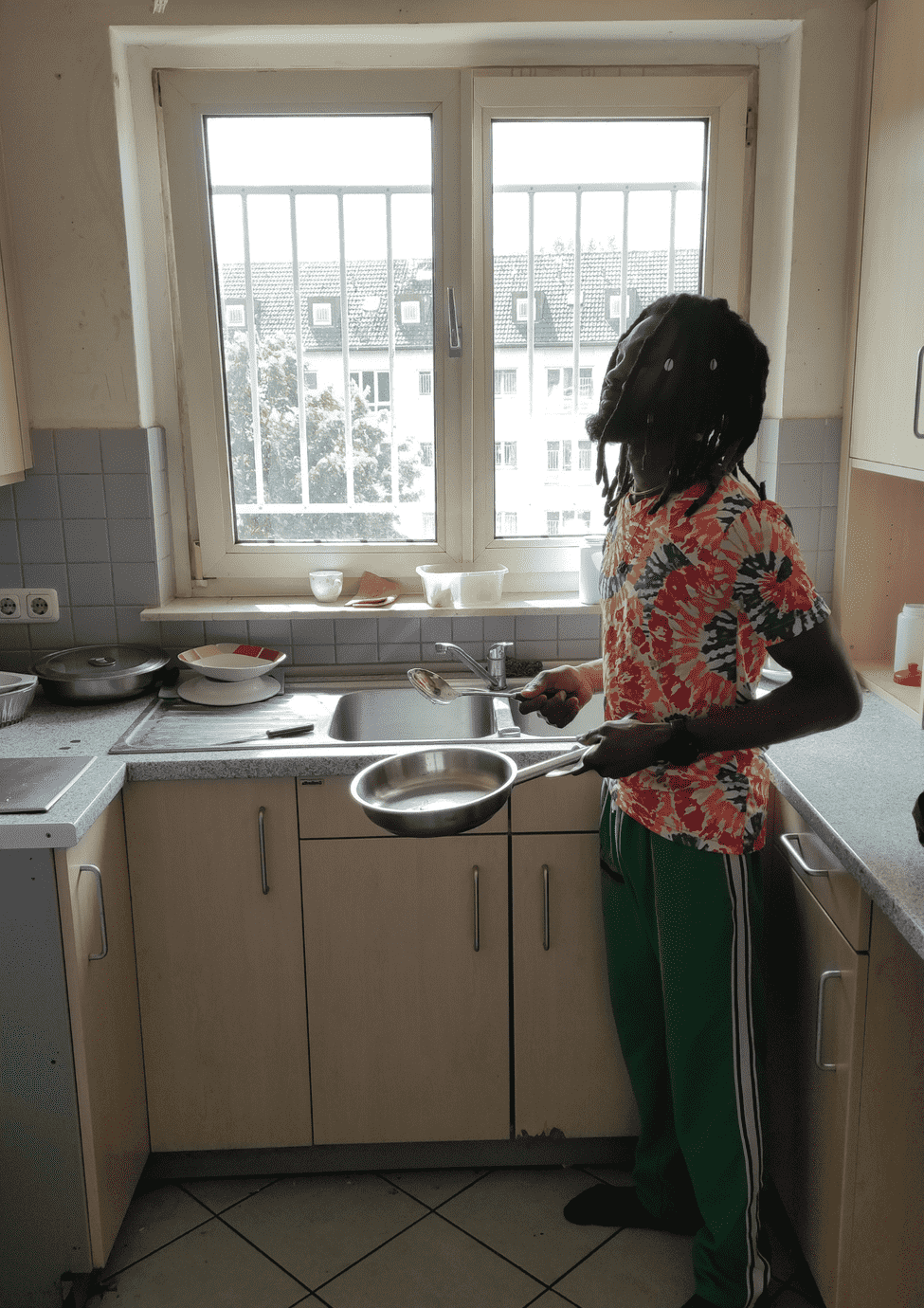
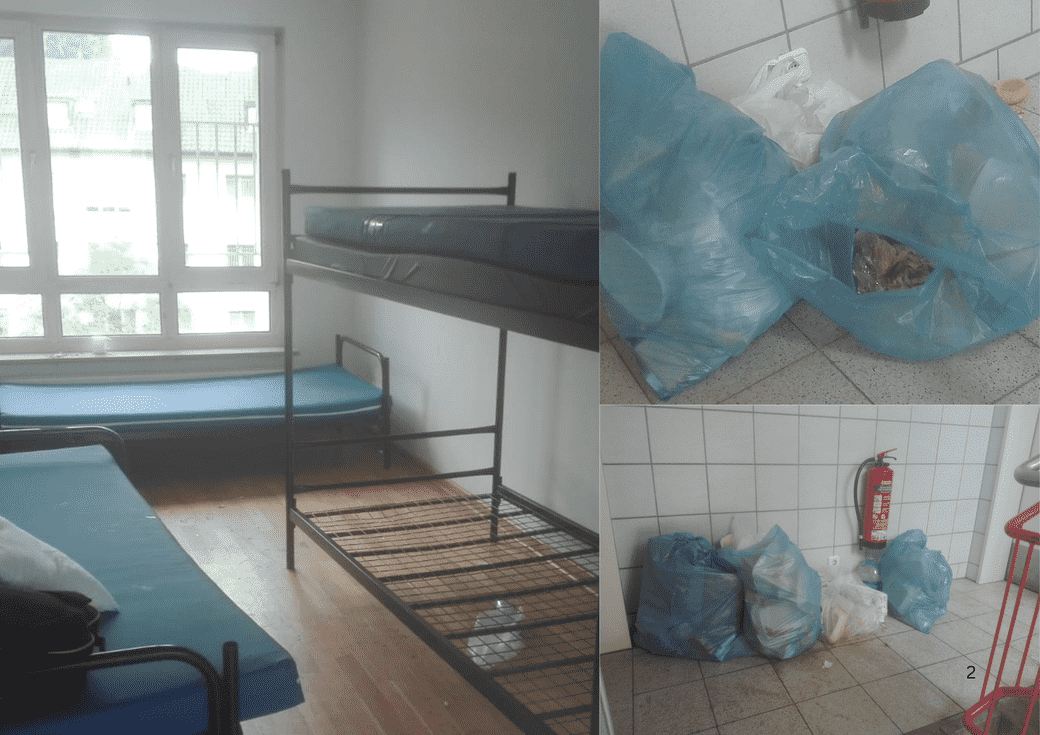
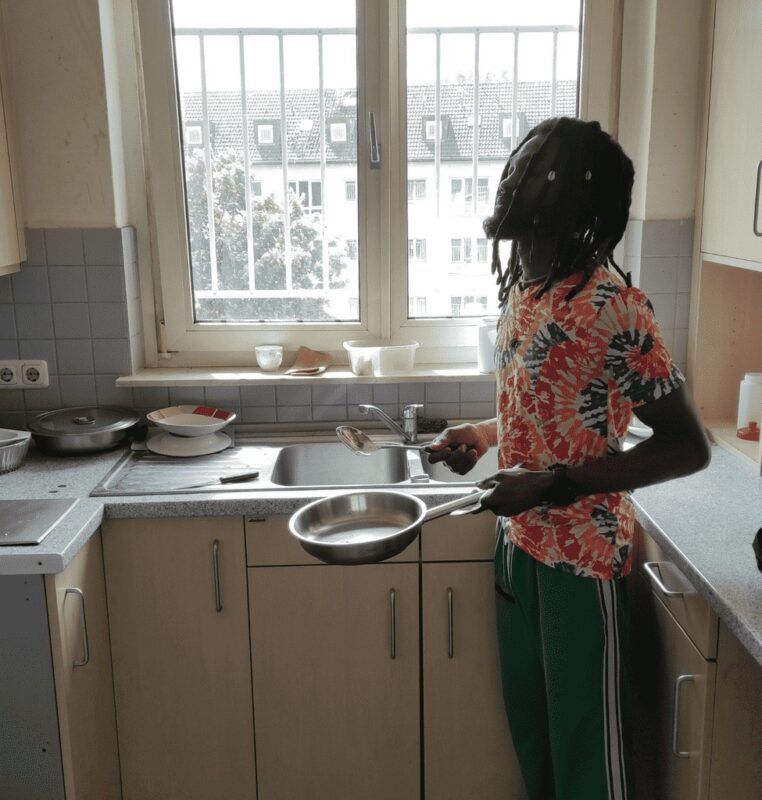
Kitchen of no food but with strong abandon bread and expired milk and untrusted tape water. In the camp, there is a kitchen that makes people more hungry instead of giving them hope. It was built to feed people, but now the pots are often empty and there is no real food. Smoke rises every morning, but no meals come. This kitchen is not a place of comfort. It reminds everyone that even the promise of food can be broken. The hunger here is not just in the stomach it’s in the heart, the soul, and the longing for a better life.
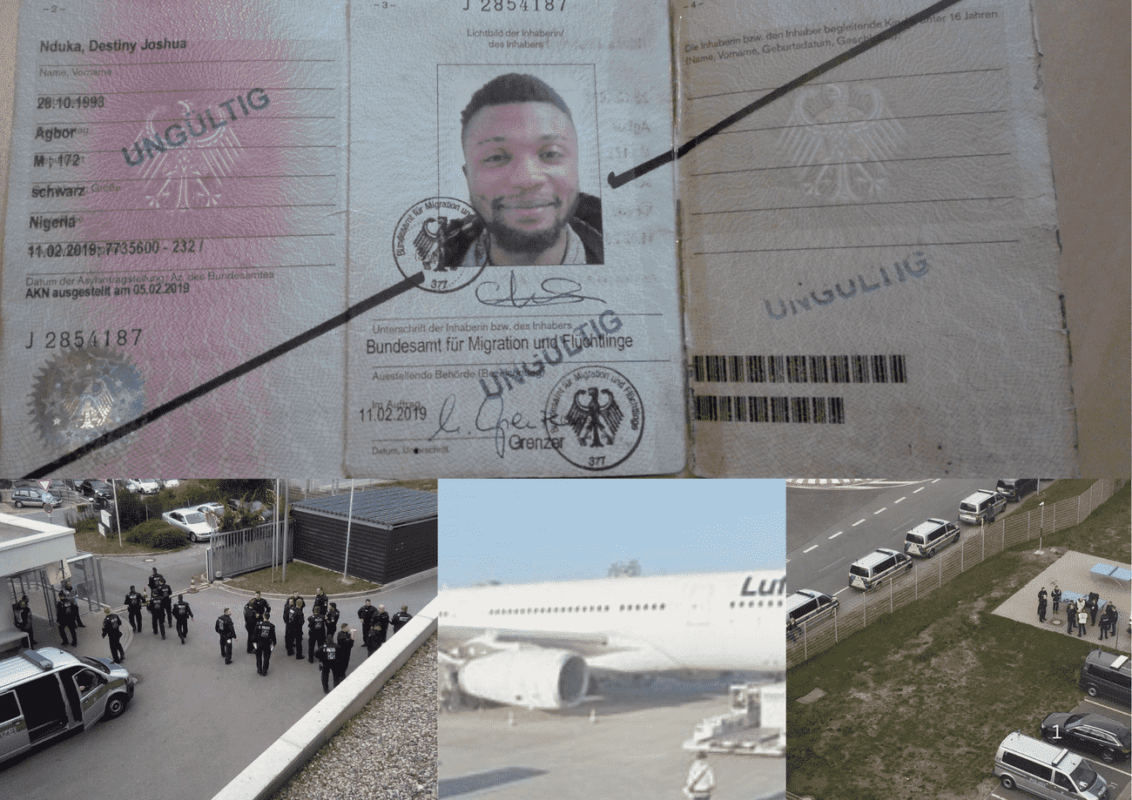
Life in Camp: The Paper That Said I Didn't Exist
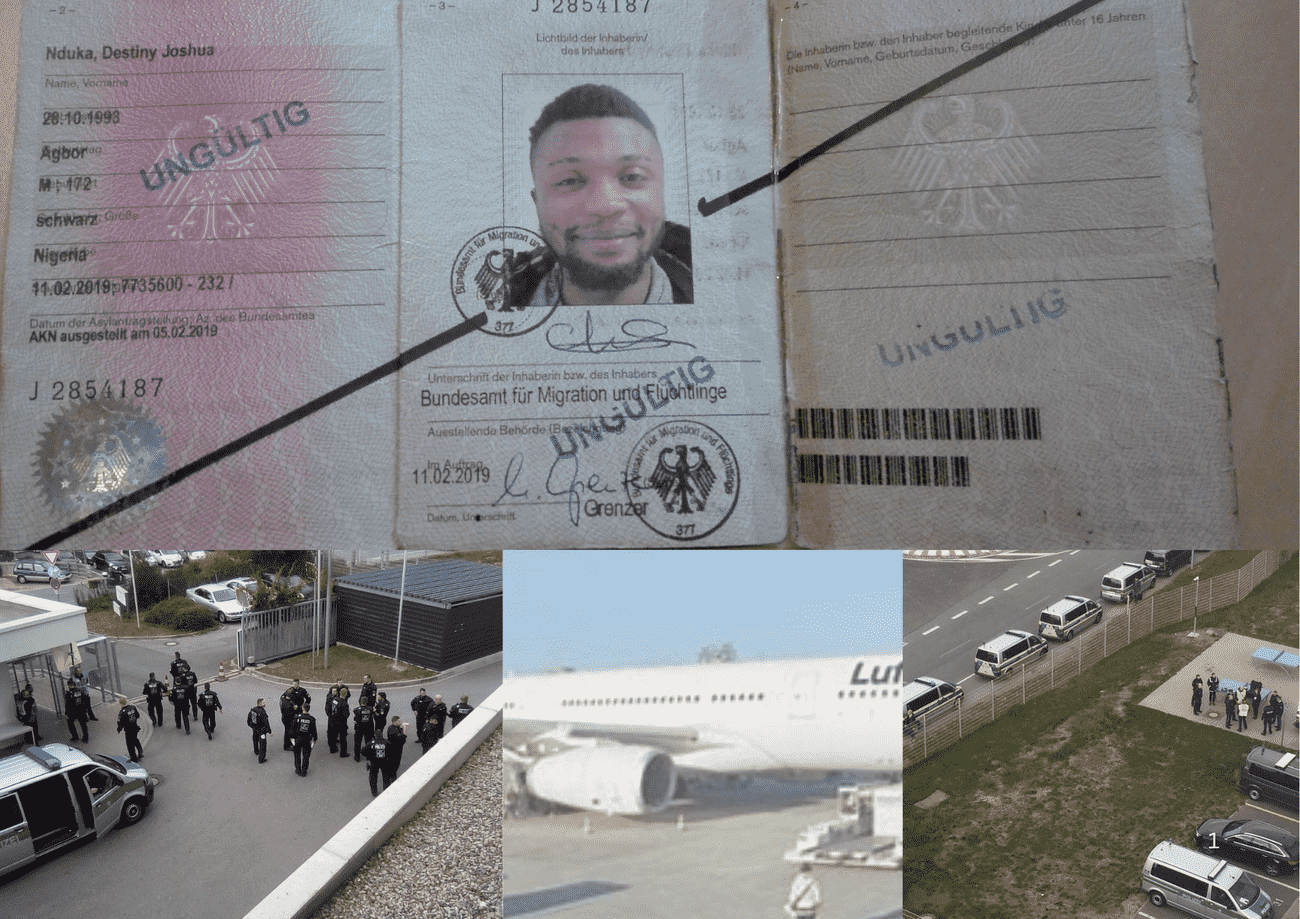
This was my first ID in Germany a fragile slip of green paper, issued by the Bundesamt für Migration und Flüchtlinge (BAMF). It was meant to recognize my presence. Instead, it marked my disappearance.
Valid for only three months, it carried a cold, final word stamped across it: “UNGÜLTIG” invalid. But that word did more than nullify a document, it nullified a person.
The day it expired, so did my name, my face, my story. In that instant, I was no longer human in the eyes of the system. What followed was not life it was survival, without dignity.
Deportation, Nightmares, Depression, Trauma. Restlessness, Starvation.
These were no longer fears they became my daily truth. We were trapped in camps; our lives suspended like broken clocks. No right to work. No right to study. No place to dream. We stood in food lines like beggars. Slept with one eye open to scaped police in midnight. Counted days like prisoners. We were stripped of names reduced to case numbers.
And then came the yellow letter.
One or two weeks before the ID expired, the police would send it. A thin envelope, heavy with despair. Inside: the exact date and time of your deportation. It ordered you to stay in place to sit and wait, knowing that the next knock on the door could end everything.
This paper was supposed to protect me, instead, it became a silent weapon.
A countdown to erasure. This is Life in Camp a system not built to shelter, but to shatter.
A quiet war against hope. Welcome to the Museum of Memory, where even an invalid document cries out with the truth the world refuses to hear.
Ankerzentrum Bamberg — a home of nightmares, not of safety.
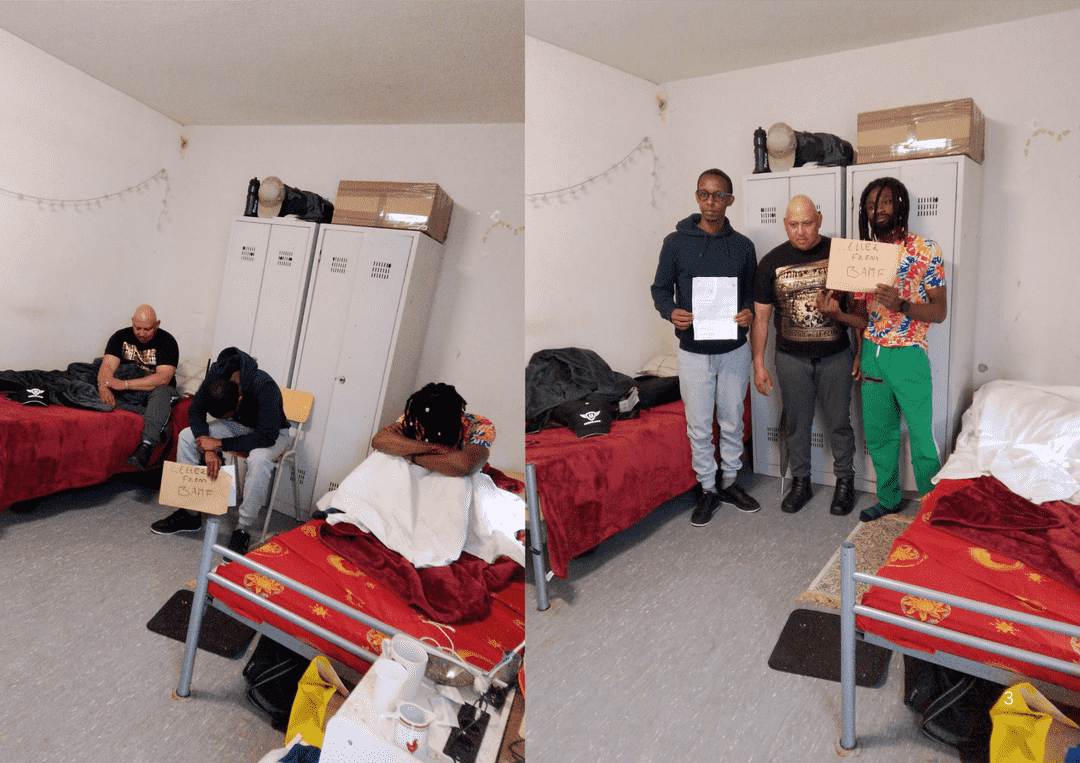
It was meant to be a shelter, but for us, it feels like a prison. The walls hold pain, not peace. Families sleep in fear, single men and women, children live in horrifying environment, nightmare become reality and reality become nightmare young people lose hope, and every day feels like waiting for freedom that never comes. It’s not a place to heal it’s a place where dreams are delayed, and dignity is slowly taken away.
A kitchen that stirs hunger more than it serves hope
Kitchen of no food but with strong abandon bread and expired milk and untrusted tape water.
In the camp, there is a kitchen that makes people more hungry instead of giving them hope. It was built to feed people, but now the pots are often empty and there is no real food. Smoke rises every morning, but no meals come. This kitchen is not a place of comfort. It reminds everyone that even the promise of food can be broken. The hunger here is not just in the stomach
it’s in the heart, the soul, and the longing for a better life.
Deprived of Integration, Yet Blamed for Silence: Why Don’t You Speak German?
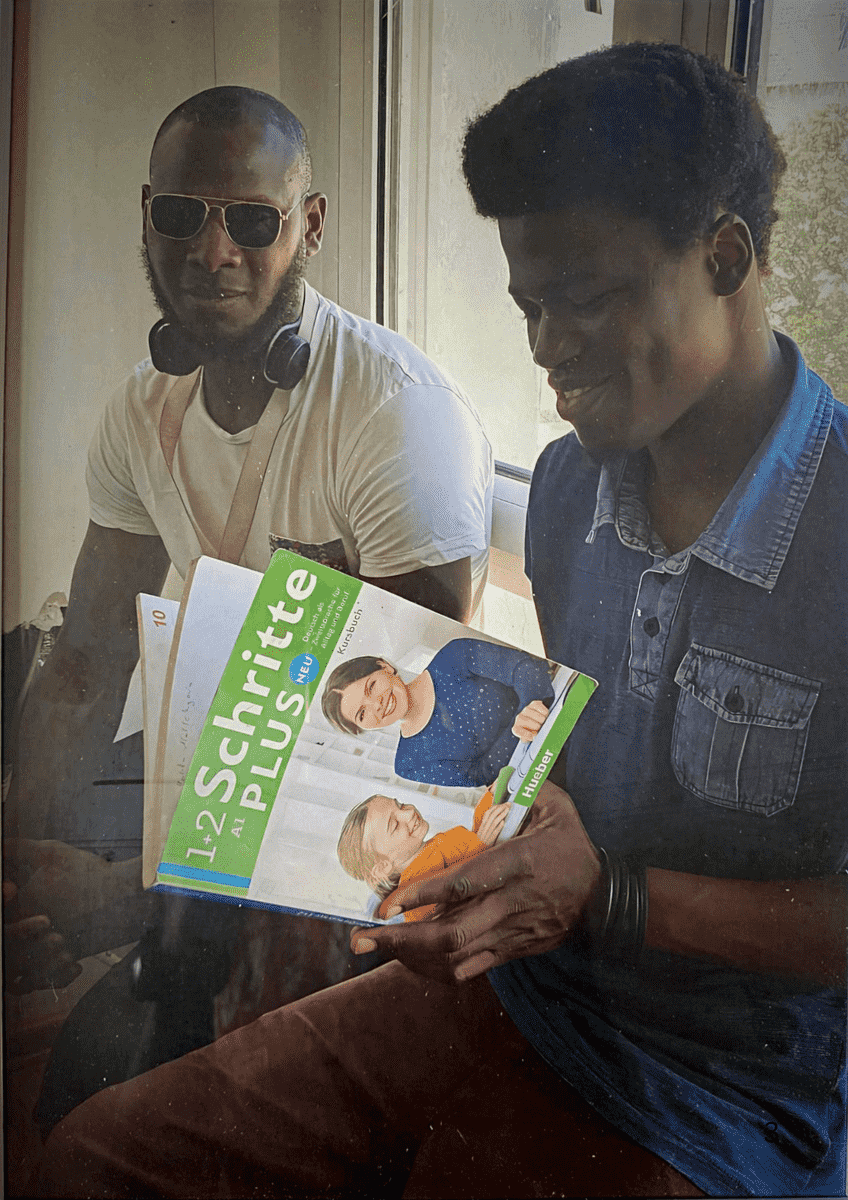
The Silent Struggle to Learn In a country that insists, “Learn our language if you want to stay,” refugees are often left without the tools, the time, or the peace of mind to do just that. This picture explores the painful irony and deep injustice faced by those seeking safety and dignity in Germany: being deprived of the right to integrate and then judged for not having done so.
Language is the gateway to life. To community. To work. To healing. But for many asylum seekers, especially those trapped in limbo by a system obsessed with deportation before documentation, this gateway is locked. Denied access to free language courses, prohibited from working, relocated from camp to camp, and burdened by the constant fear of deportation, thousands of refugees are left isolated cut off from German society, culture, and even the basics of communication.
Still, the question echoes like a slap in the face: “Why don’t you speak German?”
It is not a lack of will, but a lack of welcome.
Not a lack of effort, but a lack of opportunity.
This is a story of voices silenced not by laziness or refusal but by a system that cages, waits, and watches, only to later blame the caged for not having flown.
Reception of Captivity Home of Asylum and Fence of Delay
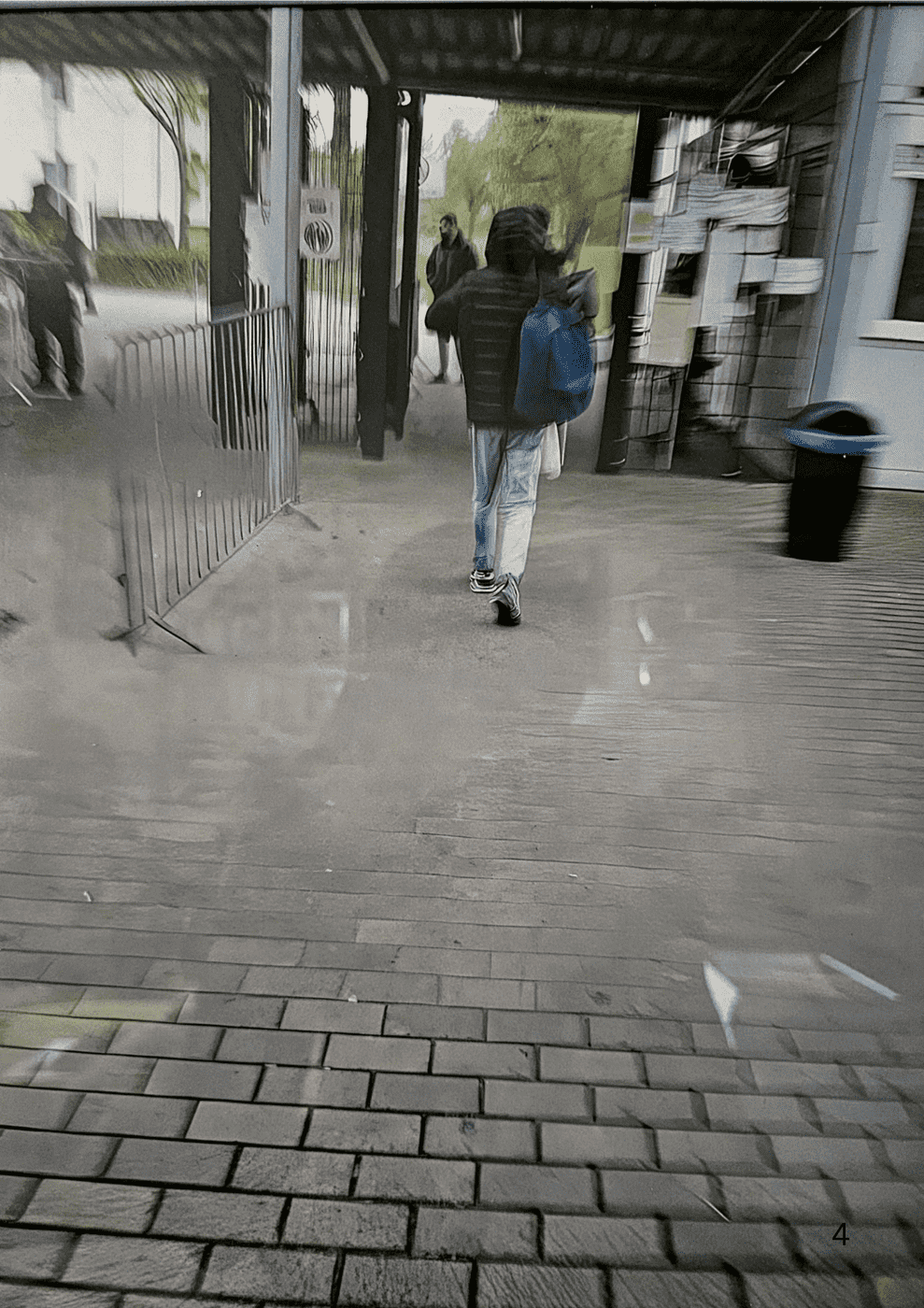
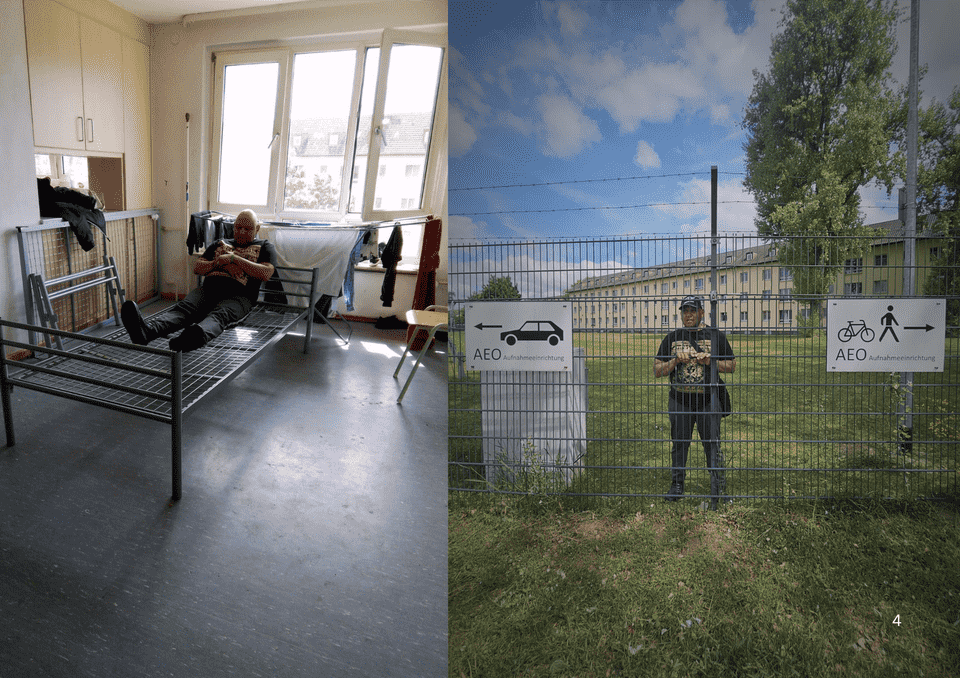
The Ankerzentrum is a prison, a human zoo, a detention camp, but they show it to the world as a reception center. People like me, and people like you, live here, watching ourselves be betrayed by the very system that was supposed to protect us. We stand by the fence,
looking out the window, watching our dreams drift away. Our bodies grow weaker, too tired to chase those dreams as nature demands.
We watch people walking freely, smiling, carrying bags full of food, wallets that contain no money while we carry envelopes from BAMF or ZAB, yellow letters that break our hearts up and down looking for someone to translate it for us. My new name man with many papers,
We stay by the fence sometimes we’re allowed to,
sometimes not. When we hang our hands on the cold iron bars, we ask ourselves, when will this end? When will we be free, free to carry bags full of food, not letters? Wallets with money, not dry pieces of old strong dried bread?
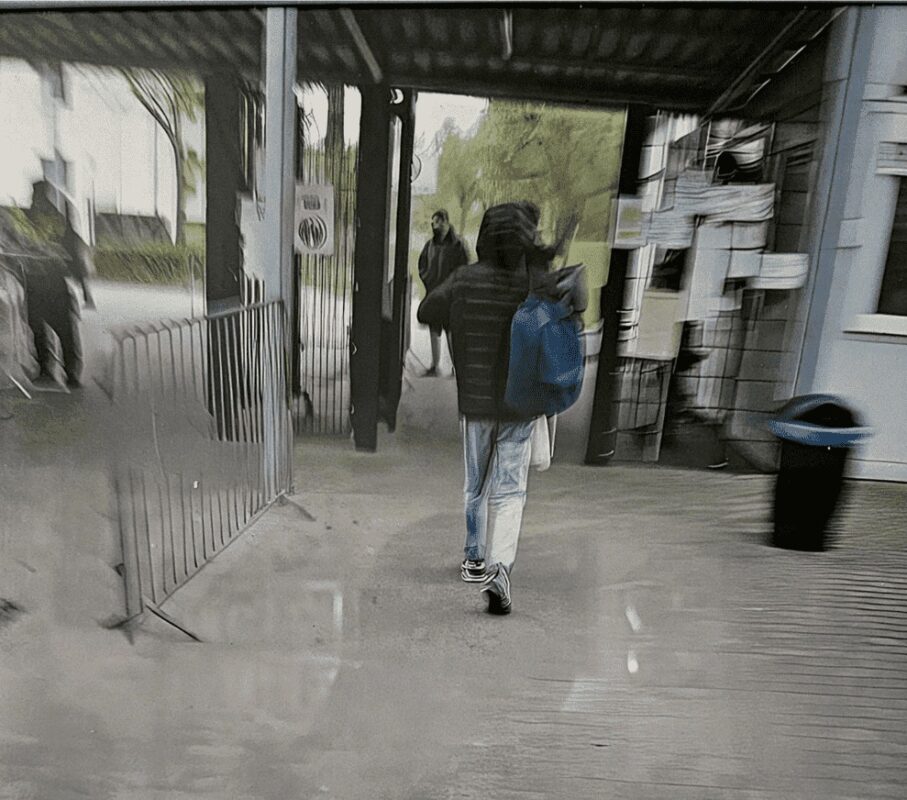
Experiences in Bavaria. Feeling not like a human.
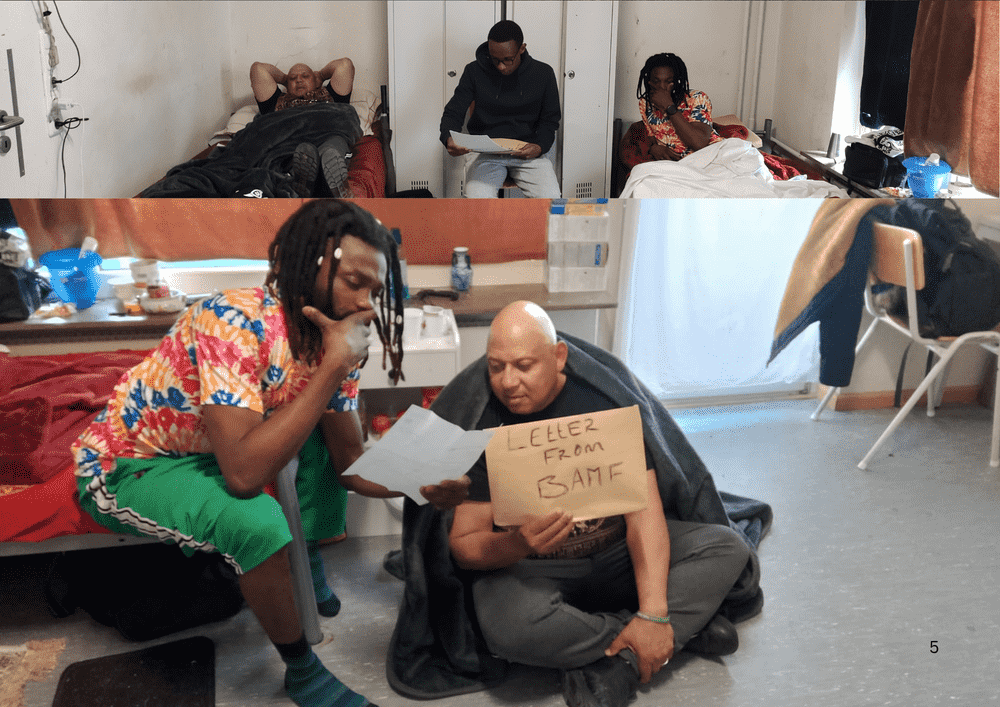
The photo shows the challenges of access to health care, finding a job, finding an apartment. It shows the fear of rejection and the frustration when getting rejected. Its about the reexperiencing of trauma caused by a letter from BAMF.
“This picture also explains, how I’m still traumatized daily because I don’t know what to expect from the future BAMF decisions. My life, security and comfort and society integration still depend on decision, which causes me frustration daily. I will feel safe only as soon as I receive my documents through a positive answer. Also, it can be traumatizing again when I receive a negative answer.”
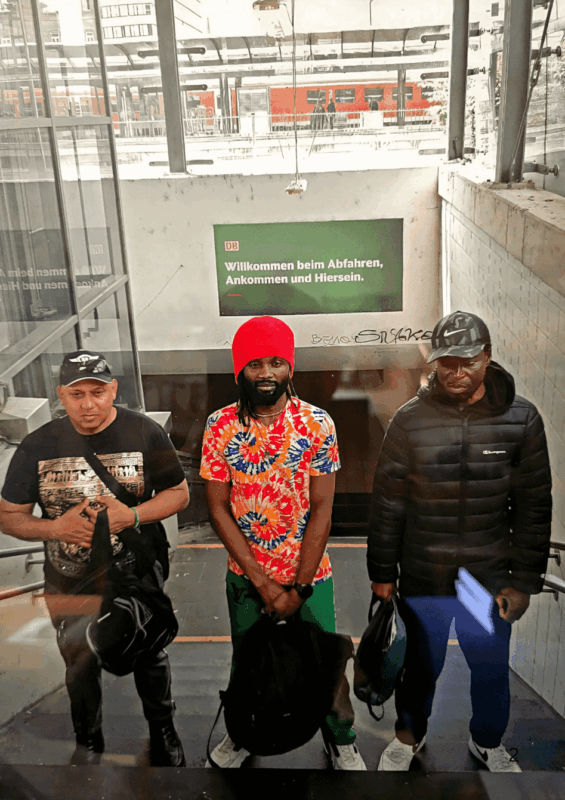
The Backstairs of Becoming
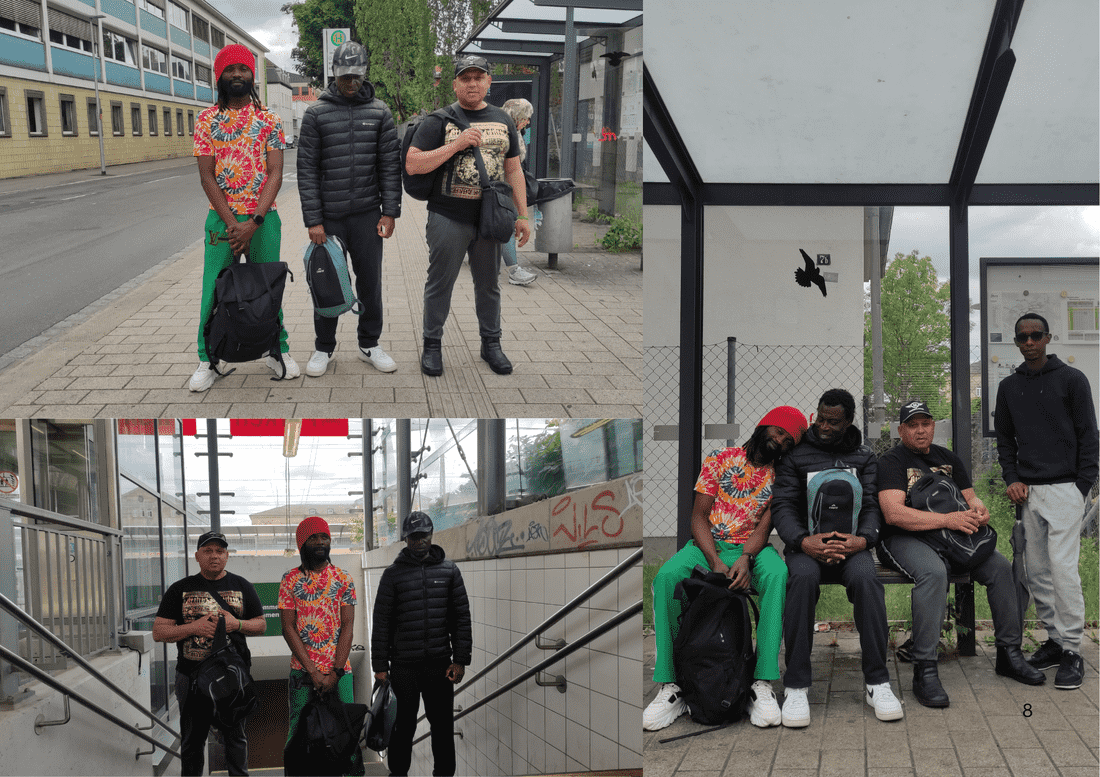
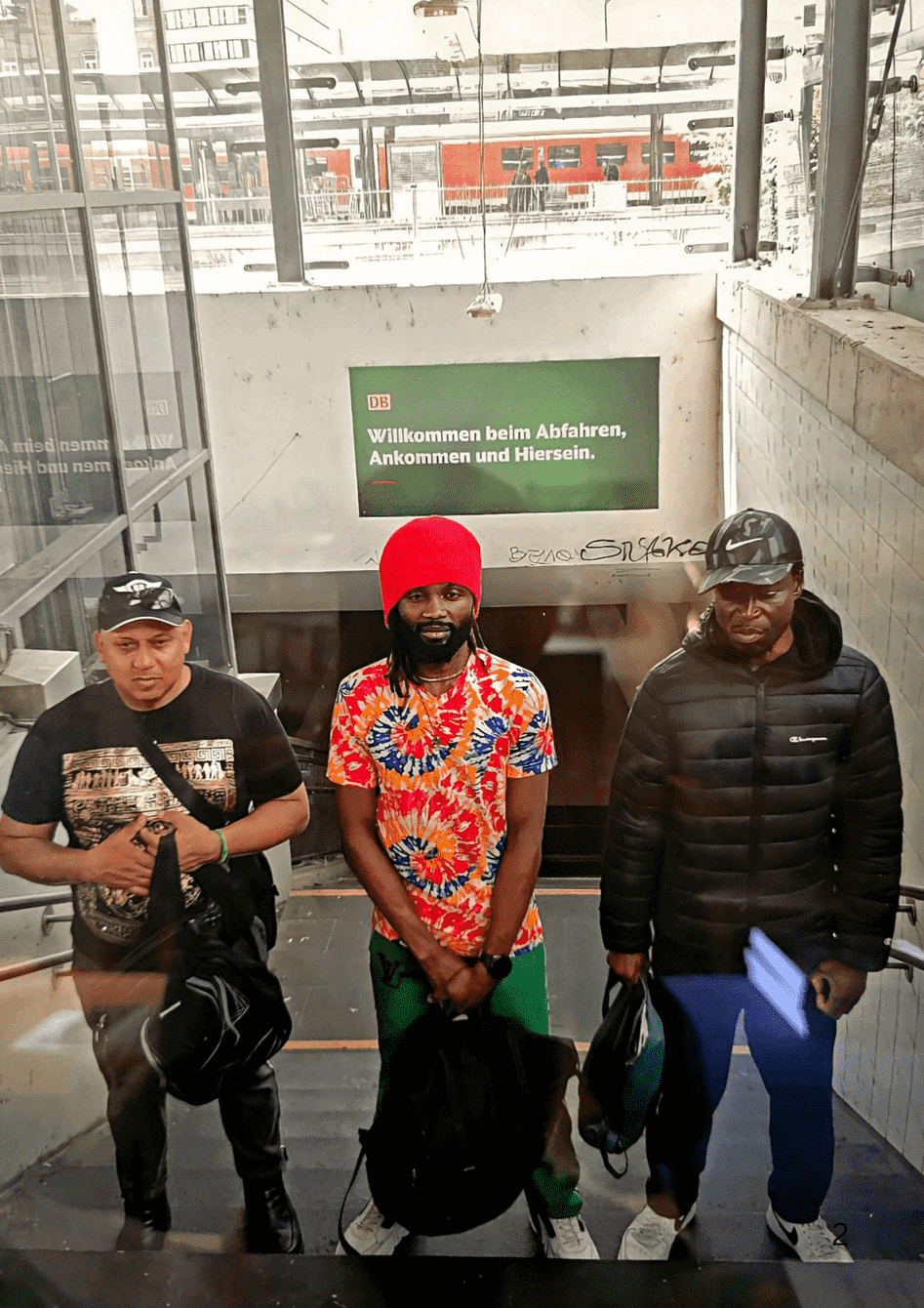
This step symbolises a city with one way of life, “Anker-zenter” it’s my story and also tells the story of thousand refugees. This step is always the starting struggle of many refugees. This picture is a struggle reminder, a happiness turning into tear of sorrows and stepping into unknown.
Behind us, there is a German sentence that says: Willkommen beim Abfahren, Ankommen und Hiersein. (Welcome when leaving, arriving, and being here.)
1, like many others, arrived in Bamberg a city full of history and beauty. where every street and building tell an old story.
It looked peaceful and rich in culture, but some places carried quiet pain. There were buildings where people from many countries lived, people with dark skin, Arabs, people with different languages, people who had lost their names, their past stolen by hard times.
When our train arrived in Bamberg at exactly 6:30 PM, I didn’t know anything. I was lost. But I walked up to a man, and he told me to go take a bus behind the train station.
I asked him what was written on the bus. He smiled and said, “There is no number, but you’ll see ‘AEO’ on the screen.” That moment was the beginning of a future story. Climbing those stairs felt like entering “a city with one gate,” because the Ankerzentrum felt like a city of its own. At the back of the
Bamberg train station, I walked up the stairs. It was the 5th of February 2019. That moment was the start of a new life. Each step was heavy, not only because I was tired, but because I knew I was walking into something unknown, a new name, a new version of myself. I didn’t choose to walk on this stair path. But Life pushed me there. Steps of unforgotten memory.
A station of wisdom, and the place that gifted me my new identity: ‘illegal migrant.
First Stop in Bamberg
At the station, my footsteps met German ground
not as a guest, not as a legal person, not like a human being, but as a label in ghost format, as Refugee, as a non-living in the system.
They called it arrival; but I called second suicide of my life, I called it the new version of nightmare, an element of horrifying human status that I never known it existed before. I also felt it as erasure.
A mother of two, my sudden saviour, hid my phone beneath her kinderwagen, so the camp guards wouldn’t steal the little I had left. I separated my phone from the sim card, This was my welcome, not of words, but of warnings. Here, I was no longer a man just an ‘illegal, tagged by fear, not by truth
Anker Zentrum Bamberg a home of nightmares, not of safety
It was meant to be a shelter, but for us, it feels like a prison. The walls hold pain, not peace. Families sleep in fear, single men, women, and children live in horrifying environment, nightmare becomes reality and reality becomes horror. Young people lose hope, and every day feels like waiting for freedom that never comes. It’s not a place to heal it’s a place where dreams are delayed, and dignity is slowly taken away, a place where identity is being lost, our identity was placed on 3 months green paper, that is called “Ausweis”, dreams turns into a drone of restlessness.
Intervening private sphere
They are checking us on a daily basis and restrict our personal space. Sometimes they have to have patient with us, because how they treat us sometimes Is not good, we are not criminals, we are human beings.